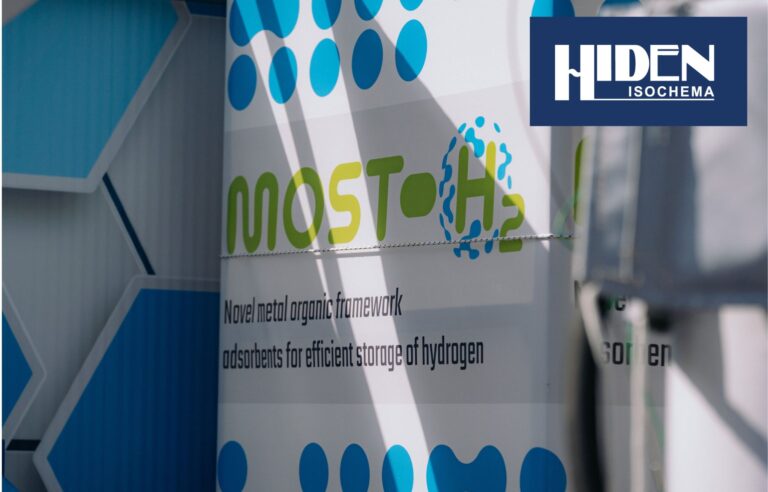



After more than four years of collaborative research and innovation, the European project MOST-H2 brought together its consortium and representatives from the wider hydrogen community for its final dissemination workshop on 18th September 2026 at the National Centre for Scientific Research (NCSR) “Demokritos” in Athens, Greece.
Hiden Isochema is proud to have been a member of the MOST-H2 consortium, contributing our expertise in hydrogen sorption measurement and characterization to the project’s research and development activities.
The final dissemination workshop was held under the title “Cryoadsorptive Hydrogen Storage: From Technical Innovation to Application Prospects”, and presented selected project achievements, connecting them with developments across the hydrogen value chain and discussing what is needed to bring emerging storage technologies closer to application.
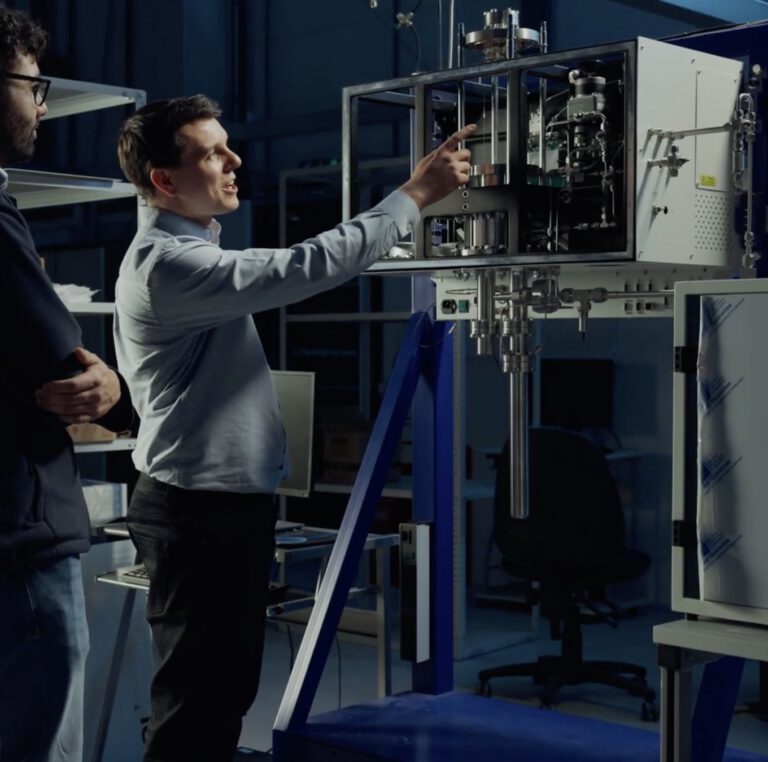
A central highlight was the visit to the MOST-H2 demonstration site, located next to the CYRUS hydrogen refuelling station at NCSR Demokritos. Participants were introduced to the project’s cryo-adsorptive hydrogen storage tank prototype, which had recently been installed and packed with ultraporous monolithic Metal-Organic Frameworks (MOFs), produced by project partner, Immaterial, a spinout from the University of Cambridge. The setup brings together several of the project’s technical development strands in a tangible demonstration environment.
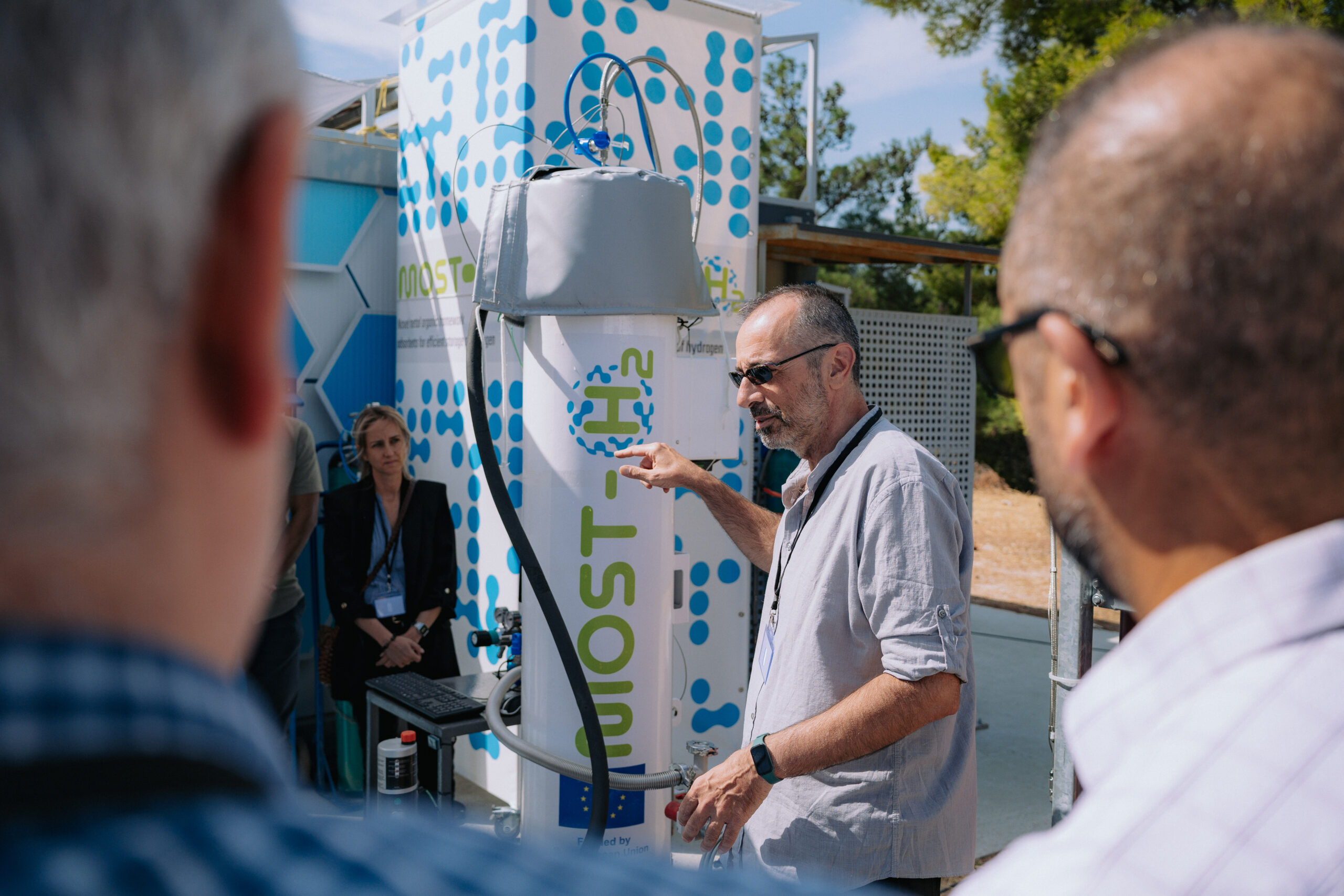
Dr. Theodore Steriotis from NCSR Demokritos, the main coordinator of MOST-H2 together with Dr. Georgia Charalambopoulou, explains the details of the demonstration hydrogen storage tank to interested participants.
Photo by jackz productions
From materials research to a demonstration system
Hydrogen is considered an important energy carrier for Europe’s transition towards climate neutrality. However, storing hydrogen efficiently, safely, and sustainably remains a significant technological challenge. Over the past four years, MOST-H2 has addressed this challenge by investigating an innovative approach based on MOFs, highly porous materials whose large internal surfaces can adsorb gases such as hydrogen.
Since the project started in June 2022, the consortium has followed an integrated lab-to-tank approach combining computational material design, machine learning, synthesis, characterization, material upscaling, tank and system development, sustainability assessment, techno-economic analysis, and studies of potential transport applications.
The final dissemination workshop offered a concise overview of how these different elements have been brought together. Project coordinator Dr. Theodore Steriotis from NCSR Demokritos, presented the project’s development pathway and placed the tank prototype within the wider MOST-H2 approach. Prof. David Fairen-Jimenez from the University of Cambridge and Immaterial then highlighted the progression from MOF synthesis to scale and the potential of novel MOFs in hydrogen storage and other emerging applications.
A key focus of MOST-H2 has been the development of high-density monolithic MOFs. Unlike loose powders, these compact forms are designed to combine hydrogen adsorption properties with the density and stability needed for handling and system integration. Packing the prototype with ultraporous monoliths therefore represents an important milestone in the project’s lab-to-tank pathway and illustrates the practical challenges involved in integrating advanced adsorbent materials into a storage system.
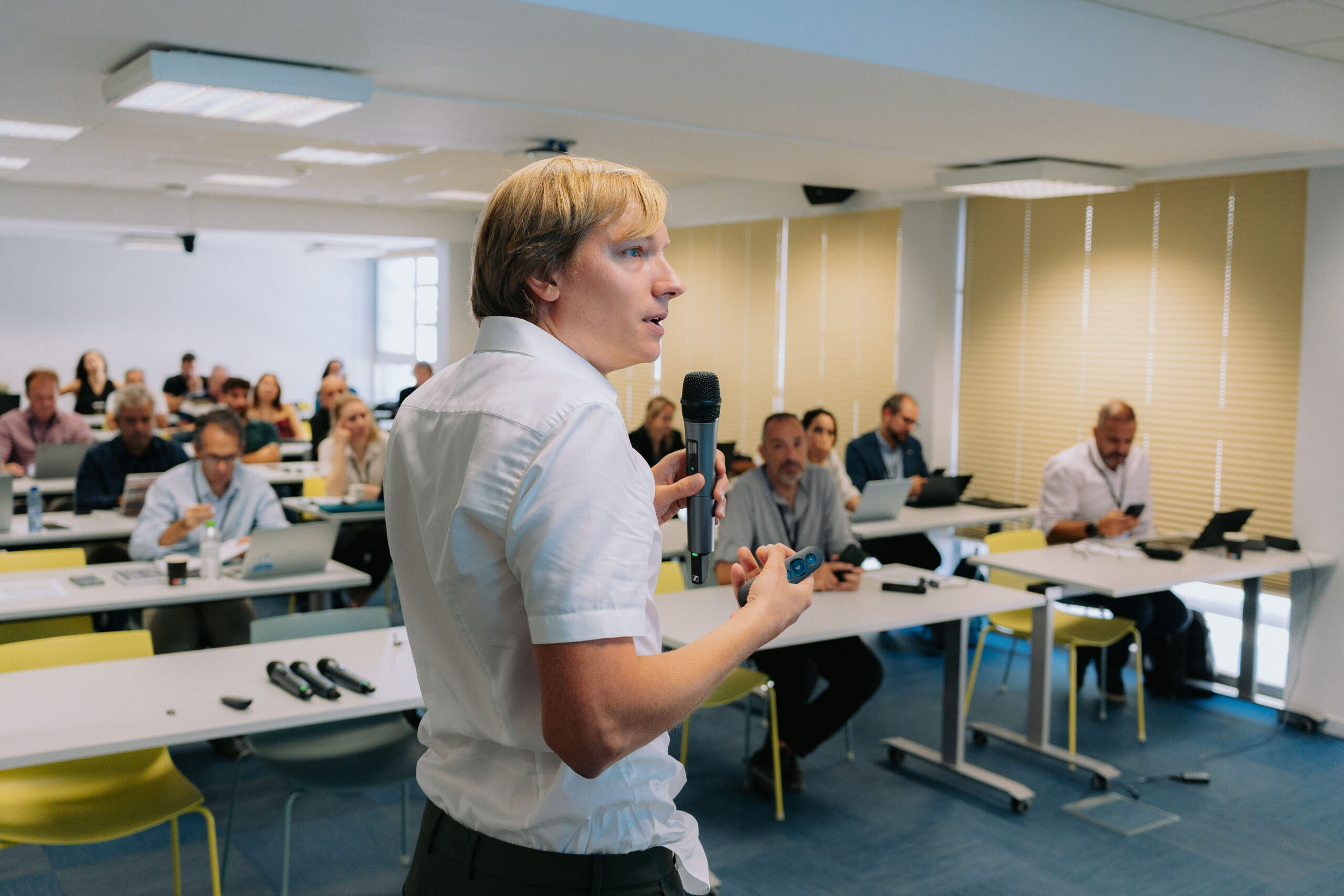
Dr. Nikolaus Fleischhacker from FEN Research and Green Energy Center Europe, in Innsbruck, Austria, presents his talk on ‘Hydrogen opportunities in the railway and heavy transport sector’ to participants of the workshop.
Photo by jackz productions
Application prospects for mobility
The potential use of hydrogen storage technologies in mobility formed another central part of the project. Dr. Nikolaus Fleischhacker from FEN Research and Green Energy Center Europe, in Innsbruck, Austria, and Dr. Chiara Ravagnan from FS Engineering, in Rome, Italy, presented perspectives on hydrogen opportunities in the railway and heavy transport sectors. MOST-H2 has examined the potential of MOF-based hydrogen storage for transport applications, with a particular focus on regional rail. This included technical and economic studies based on railway scenarios in Austria and Italy.
The discussion made clear that the successful uptake of new hydrogen storage solutions depends not only on the performance of an individual technology. Availability of low-carbon hydrogen, refuelling and transport infrastructure, operational requirements, skilled personnel and integration into wider hydrogen networks must all be considered.
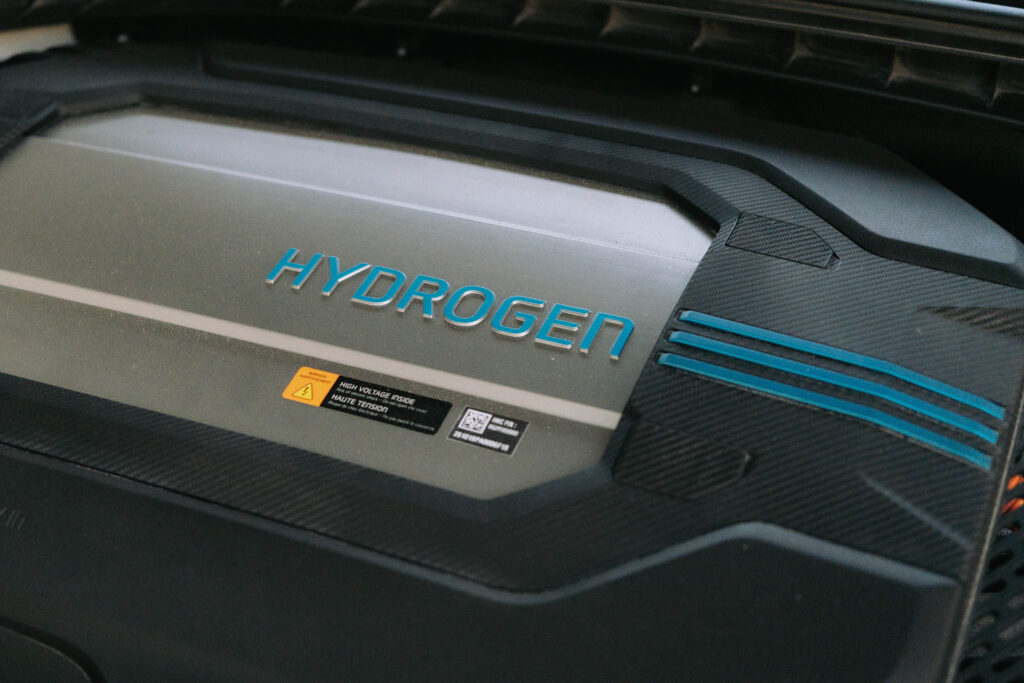
Photo by jackz productions
September marks the official end of MOST-H2
The final dissemination workshop marked an important milestone as MOST-H2 approaches the conclusion of its funded activities on 30th September 2026.
Across the contributions, a recurring message stood out: hydrogen markets remain strongly influenced by policy frameworks and are still at a relatively early commercial stage. Limited infrastructure for low-carbon hydrogen production, transport, storage and use continues to affect the deployment of hydrogen technologies. Participants also highlighted the importance of developing connected hydrogen networks and identifying suitable positions for emerging technologies within these systems.
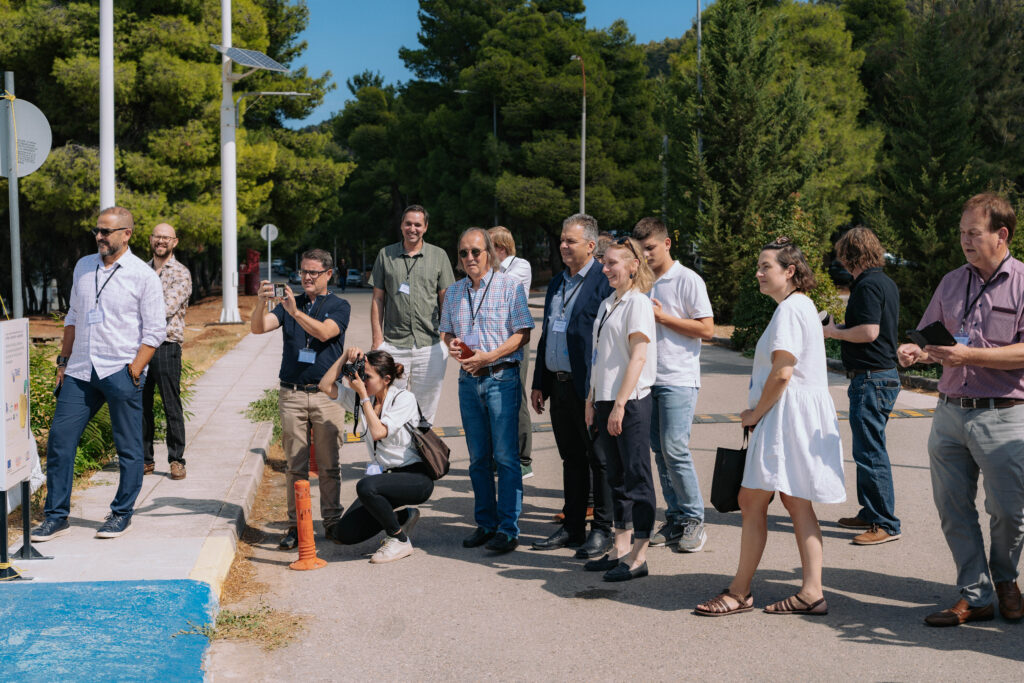
Photo by Jackz productions
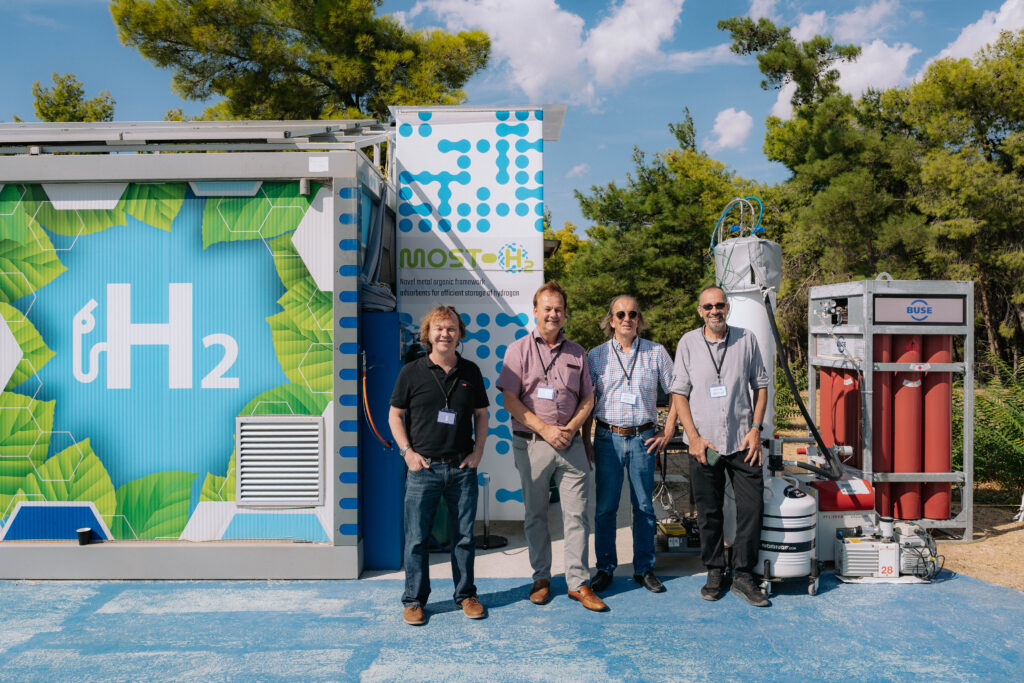
Photo by jackz productions
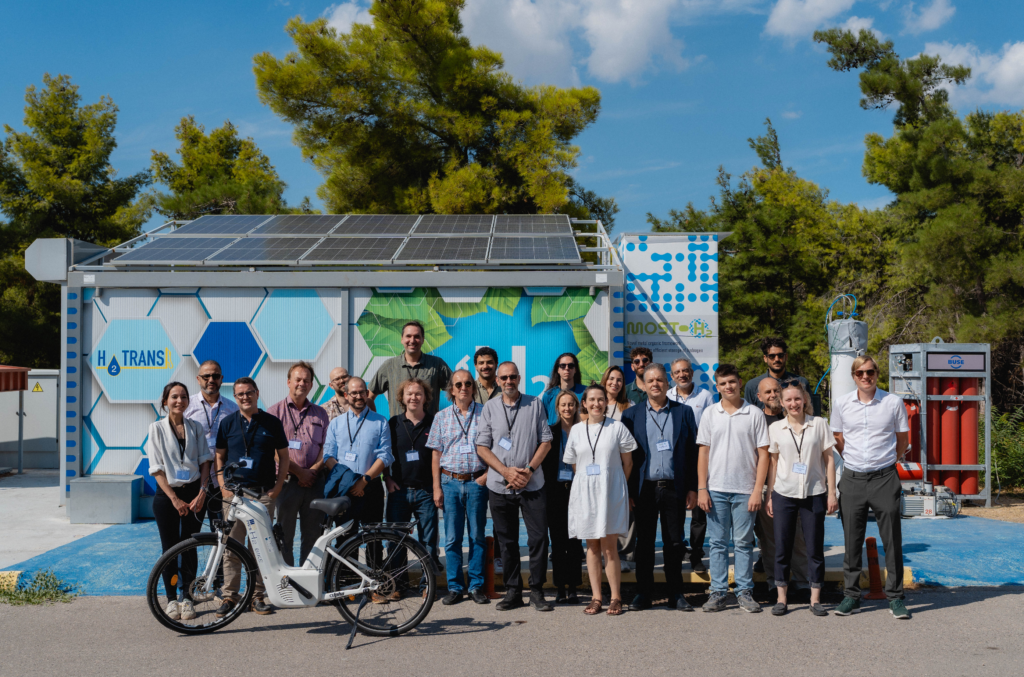
Photo by jackz productions
This post was adapted from the third press release issued by MOST-H2, with many thanks to Sophie von Stralendorff from Steinbeis Europa Zentrum in Karlsruhe, Germany. The original press release can be viewed on the Resources page of the MOST-H2 project website. All photos were kindly supplied by JACKZ Productions (Berlin, Germany).