

Metal hydrides have garnered significant attention as ideal materials for battery applications because of their unique combination of properties. These materials exhibit high hydrogen storage capacities, favorable thermodynamics, excellent electrochemical properties, enhanced safety, and remarkable cyclability. Their characteristics make them particularly suitable for use as negative electrodes in nickel-metal hydride (Ni-MH) batteries. Join us as we delve into the specific reasons why metal hydrides are considered ideal for such applications.
An Overview of Metal Hydrides
When metal is fused with hydrogen gas, compounds, known as metal hydrides, are formed. There are many different types of hydrides, including:
- Ionic Hydrides: Here, the hydrogen is merged with metals that are electropositive, like earth metals that are either alkaline or alkali. They can create anions.
- Transition Metal Hydrides: Joining transition metals and hydrogen together can create transition metal hydrides, including covalent and bridging hydrides.
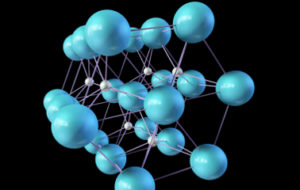
- Interstitial Hydrides: If a hydrogen atom in a metal lattice is located within a site that is usually vacant, then it can be defined as an interstitial hydride. They have the capability to contain hydrogen.
High Hydrogen Storage Capacity
A compelling feature of these hydrides is their ability to reversibly absorb and release substantial amounts of hydrogen. This reversible hydrogen absorption and desorption capability is crucial for the functioning of Ni-MH batteries. Here these hydrides serve as the negative electrode. During the charging process, the hydrides absorb hydrogen, which is then released during discharging to generate electricity. This high hydrogen storage capacity ensures that metal hydride-based batteries can store a significant amount of energy. Therefore, they can be highly efficient.
Favorable Thermodynamics
The thermodynamic properties of metal hydrides play a crucial role in their performance as battery materials. Their plateau pressures and enthalpies of formation and decomposition can be finely tuned to achieve the desired hydrogen absorption and desorption behavior. This thermodynamic tuning is graphically represented through Van ‘t Hoff plots, which show the relationship between the logarithm of the equilibrium pressure of hydrogen (ln(P)) and the inverse of the temperature (1/T). By analyzing these plots, researchers can design metal hydrides with optimal thermodynamic properties for specific battery applications.
Electrochemical Properties
The electrochemical properties of metal hydrides are integral to their functionality in Ni-MH batteries. During the charging phase, the metal hydride electrode undergoes oxidation. It releases hydrogen that is subsequently stored in the positive nickel electrode. Conversely, during the discharging phase, the metal hydride electrode acts as a solid-state hydrogen storage medium. They supply hydrogen to generate electrical energy. This solid-state hydrogen storage mechanism is advantageous because it allows for a stable and efficient energy conversion process.
Safety
Safety is a paramount consideration in battery design, and metal hydrides offer significant advantages in this regard. Unlike gaseous or liquid hydrogen storage systems, these hydrides store hydrogen in a solid-state form. This solid-state storage drastically reduces the risk of hydrogen leakage or explosion. Therefore, it can enhance the overall safety of the battery. The stability and reliability of metal hydrides as hydrogen storage materials make them a safer alternative to other forms of hydrogen storage.
Cyclability
Cyclability, or the ability to undergo numerous charge and discharge cycles without significant degradation, is another critical attribute of metal hydrides. Many of these hydrides exhibit excellent cyclability, maintaining their structural integrity and performance over extended periods. This long cycle life is essential for the practical application of batteries. It can ensure durability and reduces the need for frequent replacements. The robust cyclability of metal hydrides makes them highly suitable for use in rechargeable batteries where long-term reliability is a key requirement.
Optimize Your Work By Applying Equipment from Hiden Isochema
At Hiden Isochema, we recognize the exceptional potential of metal hydrides in advancing battery technology. Their high hydrogen storage capacity, favorable thermodynamics, excellent electrochemical properties, enhanced safety, and outstanding cyclability make them unparalleled candidates for use in nickel-metal hydride batteries. Our cutting-edge research and innovative solutions at Hiden Isochema are designed to harness these unique properties, driving the development of next-generation energy storage systems. Discover more about the remarkable capabilities of metal hydrides on our website or speak to our specialists to learn how our expertise can help you achieve superior performance in your battery applications.